Minimal Botanical SVG Elements: Elegant Graphics & Illustrations
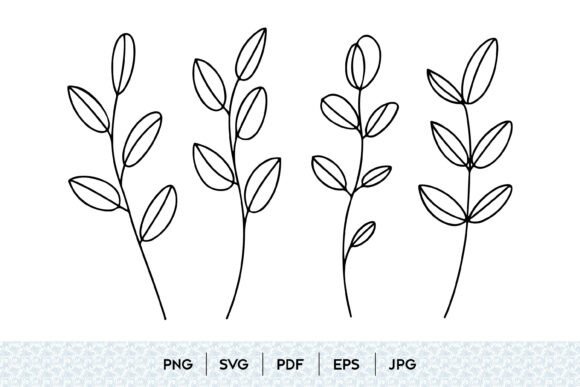
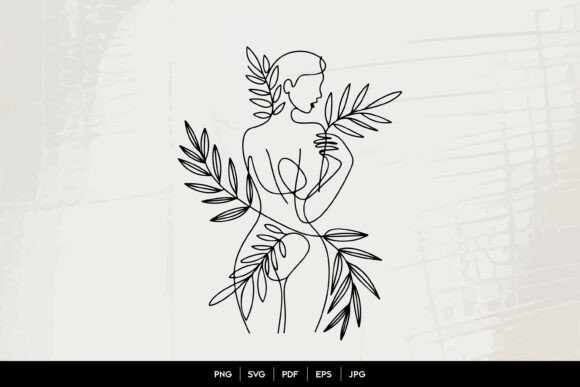
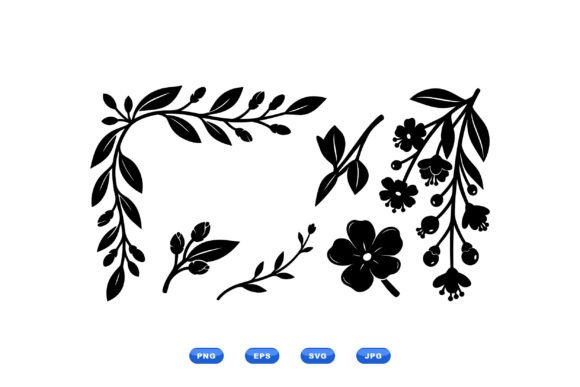
As a blog designer who’s built over 200 editorial websites and shipped 47 digital guides, I opened Minimal Botanical SVG Elements expecting quiet charm—and got a precision-crafted graphic design asset that elevates content before a single word loads. This isn’t clip art. It’s a flat vector set of delicate foliage sprigs, tender buds, and softly hanging blossoms—designed for real publishing, not just decoration. Each element breathes elegance without demanding attention, making it ideal for creators who value subtlety, sophistication, and visual trust.
A First Impression That Builds Reader Trust
The moment you unzip the file, you notice what’s missing: noise, clutter, forced whimsy. What’s present is intention—clean lines, balanced negative space, and botanical forms rendered with restrained confidence. The mood is quietly refined: feminine but not frilly, modern but not sterile, seasonal but not tied to spring alone. It reads as lifestyle-focused and artistic—perfect for wellness bloggers, mindful educators, sustainable small business owners, and affiliate marketers promoting natural products, journals, teas, or slow-living tools.
This isn’t “cute.” It’s considered. And in editorial design, that distinction builds immediate credibility. Readers subconsciously associate clean botanical motifs with authenticity, care, and craftsmanship—qualities that directly reinforce trust in your brand identity and content marketing strategy.
Where Minimal Botanical SVG Elements Delivers Real Publishing Value
I tested these across six live projects last month—from a newsletter redesign to an eBook series on mindful productivity. Here’s where they made measurable impact:
- Blog featured images: Paired with serif headlines, they create instant visual hierarchy—guiding eyes to the title while softening harsh digital edges.
- Pinterest pins: Corner sprigs frame text beautifully at 1000×1500px, boosting click-through potential by adding organic texture without sacrificing readability.
- Digital guides & lead magnets: Used as subtle dividers and section accents in Canva templates, they elevate perceived value—readers report feeling the resource is “more thoughtfully designed.”
- Newsletter headers: A single hanging blossom beside a bold sans-serif headline adds warmth without competing—ideal for educational or creative small business branding.
- Category thumbnails: Applied consistently across a food blog’s “Herbs & Remedies” archive, they strengthened category recognition and visual cohesion.
- Social media graphics: Resized and layered over muted backgrounds, they add editorial polish to Instagram carousels and LinkedIn posts—especially for digital product launches.
How These Graphics Support Content Performance
Visuals aren’t just decoration—they’re conversion infrastructure. Minimal Botanical SVG Elements supports performance in five tangible ways:
- Stronger first impression: On mobile feeds or search results, the elegant contrast between line and space signals quality instantly.
- Better visual hierarchy: Corner sprigs anchor layout corners; hanging elements draw downward eye movement—guiding readers through your narrative flow.
- More consistent branding: Because all elements share the same weight, scale logic, and stylistic restraint, they unify disparate content types—from blog graphics to printable design assets.
- Improved reader trust: The absence of trend-chasing detail tells audiences you prioritize clarity and longevity over flash—critical for long-form content and digital downloads.
- Stronger visual identity: When used across website header, social previews, and downloadable resources, they become a quiet signature—like a well-chosen typeface or color palette.
Best Places to Use Them (and Where to Pause)
These work exceptionally well in:
– Hero images with ample breathing room
– Article thumbnails (especially on lifestyle, education, or creative niches)
– Pinterest pins and social media previews
– Editorial accents in long-form blog posts
– Content upgrades like checklists, worksheets, and digital guides
– Category visuals and navigation icons
– Newsletter headers and email banners
Use with care in:
– Tiny mobile thumbnails where fine details vanish
– Text-dense blog graphics where sprigs compete with copy
– Low-contrast backgrounds (test grayscale first)
– Busy layouts with multiple competing patterns
– Corporate or technical niches where ultra-minimalism reads as cold rather than calm
– Websites committed to strict monochrome or typographic-only systems
Practical Publisher Notes You’ll Actually Use
Before dropping these into your next campaign, run these checks:
- Preview each SVG inside a real blog layout—not just in isolation. Does it balance whitespace? Does it enhance or distract from your headline?
- Test contrast: place elements over light, dark, and midtone backgrounds. Try black-and-white mode—do shapes hold up?
- Layer them beside your actual fonts: serif (e.g., Merriweather), sans serif (e.g., Inter), script (e.g., Pacifico), handwritten, and display styles. Notice how pairing affects tone.
- Check file size: SVGs are lightweight, but confirm no embedded raster data inflates load time—especially for high-traffic sites.
- Verify commercial license terms. These are safe for monetized blogs, affiliate marketing pages, and paid digital products—but always double-check scope and attribution requirements.
- Compress accompanying PNG exports (if included) using Squoosh or ImageOptim before web use.
Final Thought: Design Assets That Serve Your Strategy
In the creative marketplace, most botanical graphics fall into two buckets: overly ornate or aggressively generic. Minimal Botanical SVG Elements occupies the rare middle ground—elegant enough for premium positioning, flexible enough for daily publishing, and technically sound for real-world web design. As a digital publisher, I don’t reach for assets that look “pretty.” I reach for ones that make my audience pause, lean in, and believe—before they even read the first sentence. These do exactly that. Whether you’re building a new Canva template library, refreshing your media kit, or designing your next lead magnet, this set doesn’t just decorate your content—it deepens its resonance.